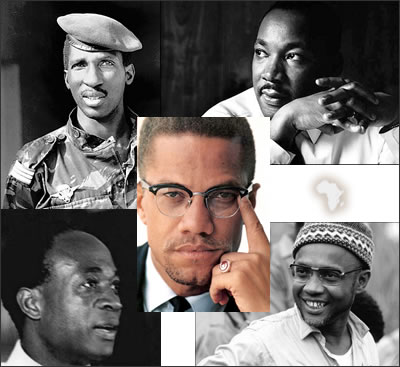
A few days ago it was the anniversary of Martin Luther Kings’ birth, in a few days time it will also be anniversary of the assassination of the great Amilcar Cabral. Patrice Lumumba alongside Thomas Sankara, Kwame Nkrumah, Malcom X are just a few of the many great African leaders from a generation that were either assassinated or overthrown by western agents. Today they remain unceremoniously eradicated from eurocentric history books used in schools, in order to perpetuate a narrow disingenuous monologue about corrupt ‘Berlusconiesque’ or ‘Chiraqesque’ type African leaders.
It was not always this way, it will not always be this way.
The late, great John Henrik Clarke wrote;
“Lumumba belonged to the company of Kwame Nkrumah, Julius Nyerere in Tanganyika, Tom Mboya in Kenya, and Sékou Touré. These leaders believe that the only way to build an effective modern state free from the shackles of narrow tribal loyalties is to create a single, strong central government. This firm stand joined the issues in the Congo and created both [his] supporters and the opposition... Lumumba was neither kind nor cautious toward the Belgians during the independence ceremony. This might have been one of his greatest mistakes. He announced too many of his future plans; which included not only the uniting of the Congo by giving assistance to the nations around him (especially Angola) who were still under European rule. Whoever made the decision to kill Lumumba probably made it this very day. He had crossed the path of the unseen power manipulators who wanted to control the Congo economically even if they were willing to let Lumumba control it politically. Instead of saying, “Thanks very much for our independence.
We appreciate [what] all you Belgians have done for our country,” Lumumba said in effect, “It’s about time, too! And it’s a pity that in a half-century you didn’t see fit to build more hospitals and schools. You could have made much better use of your time.”
In a powerful piece written by Georges Nzongola-Ntalaja and published by the Guardian newspaper it is revealed;
“For 126 years, the US and Belgium have played key roles in shaping Congo’s destiny. In April 1884, seven months before the Berlin Congress, the US became the first country in the world to recognise the claims of King Leopold II of the Belgians to the territories of the Congo Basin.
When the atrocities related to brutal economic exploitation in Leopold’s Congo Free State resulted in millions of fatalities, the US joined other world powers to force Belgium to take over the country as a regular colony. And it was during the colonial period that the US acquired a strategic stake in the enormous natural wealth of the Congo, following its use of the uranium from Congolese mines to manufacture the first atomic weapons, the Hiroshima and Nagasaki bombs.
With the outbreak of the cold war, it was inevitable that the US and its western allies would not be prepared to let Africans have effective control over strategic raw materials, lest these fall in the hands of their enemies in the Soviet camp. It is in this regard that Patrice Lumumba’s determination to achieve genuine independence and to have full control over Congo’s resources in order to utilise them to improve the living conditions of our people was perceived as a threat to western interests.
To fight him, the US and Belgium used all the tools and resources at their disposal, including the United Nations secretariat, under Dag Hammarskjöld and Ralph Bunche, to buy the support of Lumumba’s Congolese rivals , and hired killers.”
In what is believed to be Lumumba’s last letter to his wife before he was assassinated he himself wrote;
“My dear companion,
I write you these words without knowing if they will reach you, when they will reach you, or if I will still be living when you read them. All during the length of my fight for the independence of my country, I have never doubted for a single instant the final triumph of the sacred cause to which my companions and myself have consecrated our lives. But what we wish for our country, its right to an honorable life, to a spotless dignity, to an independence without restrictions, Belgian colonialism and its Western allies-who have found direct and indirect support, deliberate and not deliberate among certain high officials of the United Nations, this organization in which we placed all our confidence when we called for their assistance-have not wished it.
They have corrupted certain of our fellow countrymen, they have contributed to distorting the truth and our enemies, that they will rise up like a single person to say no to a degrading and shameful colonialism and to reassume their dignity under a pure sun.
We are not alone. Africa, Asia, and free and liberated people from every corner of the world will always be found at the side of the Congolese. They will not abandon the light until the day comes when there are no more colonizers and their mercenaries in our country. To my children whom I leave and whom perhaps I will see no more, I wish that they be told that the future of the Congo is beautiful and that it expects for each Congolese, to accomplish the sacred task of reconstruction of our independence and our sovereignty; for without dignity there is no liberty, without justice there is no dignity, and without independence there are no free men.
No brutality, mistreatment, or torture has ever forced me to ask for grace, for I prefer to die with my head high, my faith steadfast, and my confidence profound in the destiny of my country, rather than to live in submission and scorn of sacred principles. History will one day have its say, but it will not be the history that Brussels, Paris, Washington or the United Nations will teach, but that which they will teach in the countries emancipated from colonialism and its puppets. Africa will write its own history, and it will be, to the north and to the south of the Sahara, a history of glory and dignity.
Do not weep for me, my dear companion. I know that my country, which suffers so much, will know how to defend its independence and its liberty. Long live the Congo! Long live Africa!
Patrice”
Patrice Lumumba was an inspirational freedom fighter, he lived and died for a purpose which Pan Africanists today still share.
May the Ancestors guide and protect us. Ase
External Links
Patrice Lumumba: the most important assassination of the 20th centuryThe Passing of Patrice LumumbaWho Killed Lumumba?Amílcar CabralThomas Sankara
It was not always this way, it will not always be this way.
The late, great John Henrik Clarke wrote;
“Lumumba belonged to the company of Kwame Nkrumah, Julius Nyerere in Tanganyika, Tom Mboya in Kenya, and Sékou Touré. These leaders believe that the only way to build an effective modern state free from the shackles of narrow tribal loyalties is to create a single, strong central government. This firm stand joined the issues in the Congo and created both [his] supporters and the opposition... Lumumba was neither kind nor cautious toward the Belgians during the independence ceremony. This might have been one of his greatest mistakes. He announced too many of his future plans; which included not only the uniting of the Congo by giving assistance to the nations around him (especially Angola) who were still under European rule. Whoever made the decision to kill Lumumba probably made it this very day. He had crossed the path of the unseen power manipulators who wanted to control the Congo economically even if they were willing to let Lumumba control it politically. Instead of saying, “Thanks very much for our independence.
We appreciate [what] all you Belgians have done for our country,” Lumumba said in effect, “It’s about time, too! And it’s a pity that in a half-century you didn’t see fit to build more hospitals and schools. You could have made much better use of your time.”
In a powerful piece written by Georges Nzongola-Ntalaja and published by the Guardian newspaper it is revealed;
“For 126 years, the US and Belgium have played key roles in shaping Congo’s destiny. In April 1884, seven months before the Berlin Congress, the US became the first country in the world to recognise the claims of King Leopold II of the Belgians to the territories of the Congo Basin.
When the atrocities related to brutal economic exploitation in Leopold’s Congo Free State resulted in millions of fatalities, the US joined other world powers to force Belgium to take over the country as a regular colony. And it was during the colonial period that the US acquired a strategic stake in the enormous natural wealth of the Congo, following its use of the uranium from Congolese mines to manufacture the first atomic weapons, the Hiroshima and Nagasaki bombs.
With the outbreak of the cold war, it was inevitable that the US and its western allies would not be prepared to let Africans have effective control over strategic raw materials, lest these fall in the hands of their enemies in the Soviet camp. It is in this regard that Patrice Lumumba’s determination to achieve genuine independence and to have full control over Congo’s resources in order to utilise them to improve the living conditions of our people was perceived as a threat to western interests.
To fight him, the US and Belgium used all the tools and resources at their disposal, including the United Nations secretariat, under Dag Hammarskjöld and Ralph Bunche, to buy the support of Lumumba’s Congolese rivals , and hired killers.”
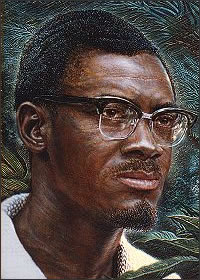
Patrice Lumumba (2 July 1925 - 17 January, 1961): One of the great sons of Africa.
An honorable life
In what is believed to be Lumumba’s last letter to his wife before he was assassinated he himself wrote;“My dear companion,
I write you these words without knowing if they will reach you, when they will reach you, or if I will still be living when you read them. All during the length of my fight for the independence of my country, I have never doubted for a single instant the final triumph of the sacred cause to which my companions and myself have consecrated our lives. But what we wish for our country, its right to an honorable life, to a spotless dignity, to an independence without restrictions, Belgian colonialism and its Western allies-who have found direct and indirect support, deliberate and not deliberate among certain high officials of the United Nations, this organization in which we placed all our confidence when we called for their assistance-have not wished it.
They have corrupted certain of our fellow countrymen, they have contributed to distorting the truth and our enemies, that they will rise up like a single person to say no to a degrading and shameful colonialism and to reassume their dignity under a pure sun.
We are not alone. Africa, Asia, and free and liberated people from every corner of the world will always be found at the side of the Congolese. They will not abandon the light until the day comes when there are no more colonizers and their mercenaries in our country. To my children whom I leave and whom perhaps I will see no more, I wish that they be told that the future of the Congo is beautiful and that it expects for each Congolese, to accomplish the sacred task of reconstruction of our independence and our sovereignty; for without dignity there is no liberty, without justice there is no dignity, and without independence there are no free men.
No brutality, mistreatment, or torture has ever forced me to ask for grace, for I prefer to die with my head high, my faith steadfast, and my confidence profound in the destiny of my country, rather than to live in submission and scorn of sacred principles. History will one day have its say, but it will not be the history that Brussels, Paris, Washington or the United Nations will teach, but that which they will teach in the countries emancipated from colonialism and its puppets. Africa will write its own history, and it will be, to the north and to the south of the Sahara, a history of glory and dignity.
Do not weep for me, my dear companion. I know that my country, which suffers so much, will know how to defend its independence and its liberty. Long live the Congo! Long live Africa!
Patrice”
Patrice Lumumba was an inspirational freedom fighter, he lived and died for a purpose which Pan Africanists today still share.
May the Ancestors guide and protect us. Ase
(Clockwise) Thomas Sankara, Martin Luther King, Amilcar Cabral, Kwame Nkrumah, Malcolm X (Centre)
External Links
Patrice Lumumba: the most important assassination of the 20th centuryThe Passing of Patrice LumumbaWho Killed Lumumba?Amílcar CabralThomas Sankara
Ligali is not responsible for the content of third party sites
Speak Out!
The full history of Patrice Lumumba alongside Thomas Sankara, Kwame Nkrumah, Malcom X are just a few of the many great African leaders that are absent from eurocentric history books used in schools.How can we reverse this injustice for future generations?Click here to speak out or read (2) comments about this article
Patrice Lumumba, the first legally elected prime minister of the Democratic Republic of the Congo (DRC) was assassinated by the American and Belgian governments, which used Congolese accomplices and a Belgian execution squad to carry out the deed
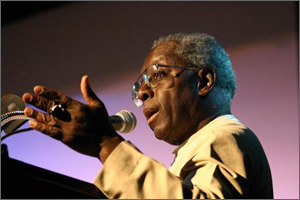
Georges Nzongola-Ntalaja, Author and professor of African and Afro-American studies at the University of North Carolina
See Related:

Get involved and help change our world