The TAOBQ (the African Or Black Question) campaign revealed its araning concept and its first ten 10 subjects yesterday.
“Araning is the act of giving one’s self or someone else an African name in order to unequivocally assert their African heritage,” explained TAOBQ co-ordinator Kwaku at the Xtra History & Reasoning Session presentation entitled ‘Araning: The Importance Of African Names In History & Our Daily Lives’ presentation, which took place at the Harrow Mayor’s Parlour.
Aran is made up from African Reclaimed And Named, a concept that encourages Africans, particularly those of note who’ve contributed to world history, to be given African names, so that there’s an obvious connection of their achievement to their African heritage.
Whilst individuals are welcome to aran themselves, TAOBQ will only aran posthumously.
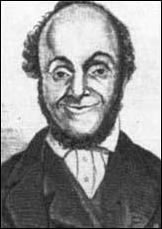
The person at number one of the top 10 list is William Kofi, the 19th century Chartist leader.
The araning concept was born as a result of a young person saying they had learnt about the Chartist at school. But with his surname spelt Cuffay or Cuffe, it was not obvious to her that he had African heritage, until she saw his image at a community history event.
Kofi is a Ghanaian name for a male born on Friday. Kofi’s grandfather was taken into enslavement from Africa, possibly from the area now known as Ghana.
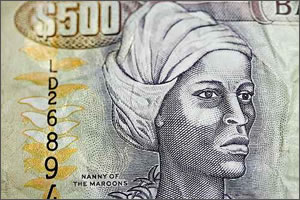
At number two is the Maroon leader and Jamaican national hero known as Nanny, which we contend to be a corruption of Nana, a Ghanaian title for a king, queen, chief or revered elder. Her brothers, apart from Johnny, had typical Ghanaian day names such as Cudjoe and Quao.
The African-American inventor Kwadwo Lewis Latimer is accorded third place. Kwadwo is a Ghanaian name for a male born on Monday.
Elsewhere on the list, at number four is the African British classical composer Babatunde Samuel Coleridge-Taylor. His name is Yoruba for “father returns”. Although he never meet his doctor father, who never returned from Sierra Leone, one can imagine the composer might have longed for his father’s return as he gravitated towards Africans from the continent and the US, and infused his compositions with African sensibilities.
A hundred years ago, the first African mayor in London was in post. Kojo John Archer is at number five. His is a Ghanaian name for a male born on Monday.
At number six is the first wife of Marcus Garvey, who was able to trace her lineage to Ghana on account of the history provided by her grandmother who had been enslaved in Jamaica. Yaa Boahimaa Amy Ashwood Garvey’s name was given to her by her royal family during a soul searching trip to Ghana.
Very few Africans were able to speak for themselves during the 19th century Abolition period. Asante Ignatius Sancho, who’s placed at number seven, did just that. Asante is a Kiswahili word for “thank you”, in recognition of his giving Africans a voice at such a critical time.
At number eight is the little known, English-born scientist Dr Buyisele Alan Goffe. His name stems from a Xhosa term meaning “he has retrieved what was lost”.
Coming in at number nine, as we commemorate a century of the founding of Marcus Garvey’s UNIA (Universal Negro Improvement Association), is the once top UNIA recruiter and fundraiser in the Florida chapter: Laura Adorkor Kofi. Her last name is variously spelt as Kofey, Koffey, Cofey, or Cuffy. Adorko is a Ghanaian name for a second born female, whilst Kofi is usually that of a Friday day born male.
And at number 10, is someone who did more for espousing African pride and self-worth globally than anyone else in modern history, another Jamaican national hero: Akoben Marcus Garvey. His name stems from the Adinkra symbol for war horn, and a warning to be vigilant and wary.
For those interested in investigating araning themselves – and one does not have to go the whole hog like Kwame Kwei-Armah, as adopting a single African name can be sufficient, there are books such a Julia Stewart’s ‘African Name’ and numerous internet resources.
The semi-monthly Xtra History And Reasoning Sessions take place on Mondays 6.30-8.30pm at the Mayor’s Parlour in Harrow Civic Centre. For more details or to book: www.XtraHistory.eventbrite.com.
1. William Kofi (Cuffay, Cuffee) - Chartist leader
2. Nana (Nanny) - Maroon leader
3. Kwadwo Lewis Latimer - Inventor
4. Babatunde Samuel Coleridge-Taylor - Composer
5. Kojo John Archer - Politician
6. Yaa Boahimaa Amy Ashwood Garvey - Activist
7. Asante Ignatius Sancho - Abolitionist
8. Dr Buyisile Alan Goffe - Scientist
9. Laura Odarkor Kofi - Pan-Africanist
10. Akoben Marcus Garvey - Pan-Africanist
© 2014 TAOBQ
External Links
The African Or Black Question (TAOBQ)Xtra History And Reasoning SessionsSegments Of TAOBQ Film Used On Shoot The Messenger
“Araning is the act of giving one’s self or someone else an African name in order to unequivocally assert their African heritage,” explained TAOBQ co-ordinator Kwaku at the Xtra History & Reasoning Session presentation entitled ‘Araning: The Importance Of African Names In History & Our Daily Lives’ presentation, which took place at the Harrow Mayor’s Parlour.
Aran is made up from African Reclaimed And Named, a concept that encourages Africans, particularly those of note who’ve contributed to world history, to be given African names, so that there’s an obvious connection of their achievement to their African heritage.
Whilst individuals are welcome to aran themselves, TAOBQ will only aran posthumously.
The person at number one of the top 10 list is William Kofi, the 19th century Chartist leader.
The araning concept was born as a result of a young person saying they had learnt about the Chartist at school. But with his surname spelt Cuffay or Cuffe, it was not obvious to her that he had African heritage, until she saw his image at a community history event.
Kofi is a Ghanaian name for a male born on Friday. Kofi’s grandfather was taken into enslavement from Africa, possibly from the area now known as Ghana.
At number two is the Maroon leader and Jamaican national hero known as Nanny, which we contend to be a corruption of Nana, a Ghanaian title for a king, queen, chief or revered elder. Her brothers, apart from Johnny, had typical Ghanaian day names such as Cudjoe and Quao.
The African-American inventor Kwadwo Lewis Latimer is accorded third place. Kwadwo is a Ghanaian name for a male born on Monday.
Elsewhere on the list, at number four is the African British classical composer Babatunde Samuel Coleridge-Taylor. His name is Yoruba for “father returns”. Although he never meet his doctor father, who never returned from Sierra Leone, one can imagine the composer might have longed for his father’s return as he gravitated towards Africans from the continent and the US, and infused his compositions with African sensibilities.
A hundred years ago, the first African mayor in London was in post. Kojo John Archer is at number five. His is a Ghanaian name for a male born on Monday.
At number six is the first wife of Marcus Garvey, who was able to trace her lineage to Ghana on account of the history provided by her grandmother who had been enslaved in Jamaica. Yaa Boahimaa Amy Ashwood Garvey’s name was given to her by her royal family during a soul searching trip to Ghana.
Very few Africans were able to speak for themselves during the 19th century Abolition period. Asante Ignatius Sancho, who’s placed at number seven, did just that. Asante is a Kiswahili word for “thank you”, in recognition of his giving Africans a voice at such a critical time.
At number eight is the little known, English-born scientist Dr Buyisele Alan Goffe. His name stems from a Xhosa term meaning “he has retrieved what was lost”.
Coming in at number nine, as we commemorate a century of the founding of Marcus Garvey’s UNIA (Universal Negro Improvement Association), is the once top UNIA recruiter and fundraiser in the Florida chapter: Laura Adorkor Kofi. Her last name is variously spelt as Kofey, Koffey, Cofey, or Cuffy. Adorko is a Ghanaian name for a second born female, whilst Kofi is usually that of a Friday day born male.
And at number 10, is someone who did more for espousing African pride and self-worth globally than anyone else in modern history, another Jamaican national hero: Akoben Marcus Garvey. His name stems from the Adinkra symbol for war horn, and a warning to be vigilant and wary.
For those interested in investigating araning themselves – and one does not have to go the whole hog like Kwame Kwei-Armah, as adopting a single African name can be sufficient, there are books such a Julia Stewart’s ‘African Name’ and numerous internet resources.
The semi-monthly Xtra History And Reasoning Sessions take place on Mondays 6.30-8.30pm at the Mayor’s Parlour in Harrow Civic Centre. For more details or to book: www.XtraHistory.eventbrite.com.
William Kofi (previously Cuffay, Cuffee)
The Pioneering Araning List
1. William Kofi (Cuffay, Cuffee) - Chartist leader2. Nana (Nanny) - Maroon leader
3. Kwadwo Lewis Latimer - Inventor
4. Babatunde Samuel Coleridge-Taylor - Composer
5. Kojo John Archer - Politician
6. Yaa Boahimaa Amy Ashwood Garvey - Activist
7. Asante Ignatius Sancho - Abolitionist
8. Dr Buyisile Alan Goffe - Scientist
9. Laura Odarkor Kofi - Pan-Africanist
10. Akoben Marcus Garvey - Pan-Africanist
© 2014 TAOBQ
Nana (previously Nanny) of the Maroons
External Links
The African Or Black Question (TAOBQ)Xtra History And Reasoning SessionsSegments Of TAOBQ Film Used On Shoot The Messenger
Ligali is not responsible for the content of third party sites

Get involved and help change our world