More than 40 teachers from Nigeria, Mali, Chad, Cameroon, the Comoros Islands, Tanzania, Ghana, Cote d’Ivoire, Senegal, Benin, Niger, Mauritania and Ethiopia attended a recent forum of African universities of non-Arab-speaking countries that teach the Arabic language and Islamic sciences.
The three day forum that took place at the Al-Assmariya university, in Zlitin was held under the theme of “Consolidating the scientific and spiritual links between the African Union countries”. Its stated objective “to study the problems, challenges and prospects of teaching Arabic in African universities” sought to subjugate the traditional cultural, scientific, political and spiritual values of indigenous African cultures.
The summit supported by the Libyan arab leader Mouamar Gaddafi is widely recognised as an attack on a grass root resurgence in moves to reclaim African identity and culture across the Continent. During April 2009 the “significance of African arts and culture in the socio-political and economic equation of the global world was the major thrust” of the Summit of African Cultural Institutions and the African Diaspora (SACIADIA) held in Yaounde, Cameroun.
The Pan African initiative was a follow-up to a similar four day gathering held in 2007 in Lagos, Nigeria, that focused on “developing proactive strategies in the management and promotion of the arts and cultures of the Negro-African people” organised by the Regional Centre for Research and Documentation on Oral Traditions and Development of African Language (CERDOTOLA), Centre for Black and African Arts and Civilization (CBAAC), the Pan African Strategy and Policy Research Group (PANAFSTRAG) as well as the Observatory of Cultural Policies in Africa.
It was reported that “The organizers of the summit said the realisation that centuries of violence, slavery, colonization has continued to hold the continent down, in addition to failure by the West to situate African history and culture in a proper perspective motivated it.
According to them, time is now ripe for African cultural rebirth. And for the continent to develop, an Afro-centric and culture-built platform of interaction with the global community.”
Toyin Agbetu, of the Pan African human rights group, Ligali agreed. He said; “There are many opponents to those working towards a cultural renaissance for Africa. Nonetheless the work must continue. In a spiritual sense there are too many Africans walking around on their knees as foreign cultural bandits and thieves continue to exploit, plunder and profit of the works of our Ancestors. The British Museum in London is one such culprit, thankfully the diligent works of African such as Dr Kwame Opoku exposes the amoral history and continued behaviour of those responsible with strong academic, moral and regular public challenge.”
The African Union, represented by Benjamin Gnalega at the Lagos based summit, urged Africans, both at home and in the Diaspora, to be part of the cultural renaissance by returning to their old cultural ways of living. An article reporting on the event revealed that “he stressed that African culture constitute the people’s souls and their entire being and as such, should be jealously protected to avoid losing it.”
Toyin continues; “We have long suffered the indignity of retaining alien tongues as the language of instruction in African schools, we have African nations such as Nigeria and Jamaica, named by and after anti-African invaders. Today many of us seem to forget the teachings of Nkrumah, Garvey, Nyerere, Rodney, Toure, Bishop, Lumumba, Ture, Sankara, Kuti, Biko the list continues. Tragically, no other people on the planet other than Africans have had to endured leaders who in willingly betraying their own Ancestors for personal gain would allow their people to be the academic and spiritual laughing stock of the world.”
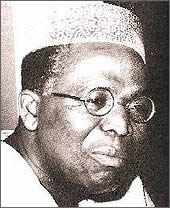
Chief Obafemi Awolowo, the revolutionary political icon who introduced free education to western ‘Nigeria’ was an important supporter of ethno-linguistic sovereignty. During June 2009, Wole Soyinka delivered an anniversary lecture marking his Centenary birthday at the Nigeria Institute for International Affairs. Under a policy implemented with his action group Awolowo ensured not only the Yoruba but also the Igbo and Hausa people of the South West benefited from free education policies. Despite Nigeria continuing to have the necessary resources to continue and extend these revolutionary policies, this situation has been unrepeated by subsequent leaders selected and working in servitude to western and eastern nations.

External Links
In Cameroun, experts seek cultural renaissance for AfricaFirst forum of African universities of non-Arab-Speaking countries opensChief Obafemi AwolowoStatement By Chief Awolowo before sentencing for TreasonAfrican Academics Call for Setting Up of Arabic-teaching institutions
The three day forum that took place at the Al-Assmariya university, in Zlitin was held under the theme of “Consolidating the scientific and spiritual links between the African Union countries”. Its stated objective “to study the problems, challenges and prospects of teaching Arabic in African universities” sought to subjugate the traditional cultural, scientific, political and spiritual values of indigenous African cultures.
The summit supported by the Libyan arab leader Mouamar Gaddafi is widely recognised as an attack on a grass root resurgence in moves to reclaim African identity and culture across the Continent. During April 2009 the “significance of African arts and culture in the socio-political and economic equation of the global world was the major thrust” of the Summit of African Cultural Institutions and the African Diaspora (SACIADIA) held in Yaounde, Cameroun.
The Pan African initiative was a follow-up to a similar four day gathering held in 2007 in Lagos, Nigeria, that focused on “developing proactive strategies in the management and promotion of the arts and cultures of the Negro-African people” organised by the Regional Centre for Research and Documentation on Oral Traditions and Development of African Language (CERDOTOLA), Centre for Black and African Arts and Civilization (CBAAC), the Pan African Strategy and Policy Research Group (PANAFSTRAG) as well as the Observatory of Cultural Policies in Africa.
It was reported that “The organizers of the summit said the realisation that centuries of violence, slavery, colonization has continued to hold the continent down, in addition to failure by the West to situate African history and culture in a proper perspective motivated it.
According to them, time is now ripe for African cultural rebirth. And for the continent to develop, an Afro-centric and culture-built platform of interaction with the global community.”
Chief Obafemi Awolowo: Introduced free education across Nigeria in opposition to British neo-colonial aggression
Support for Africa’s cultural renaissance grows
Toyin Agbetu, of the Pan African human rights group, Ligali agreed. He said; “There are many opponents to those working towards a cultural renaissance for Africa. Nonetheless the work must continue. In a spiritual sense there are too many Africans walking around on their knees as foreign cultural bandits and thieves continue to exploit, plunder and profit of the works of our Ancestors. The British Museum in London is one such culprit, thankfully the diligent works of African such as Dr Kwame Opoku exposes the amoral history and continued behaviour of those responsible with strong academic, moral and regular public challenge.”The African Union, represented by Benjamin Gnalega at the Lagos based summit, urged Africans, both at home and in the Diaspora, to be part of the cultural renaissance by returning to their old cultural ways of living. An article reporting on the event revealed that “he stressed that African culture constitute the people’s souls and their entire being and as such, should be jealously protected to avoid losing it.”
Toyin continues; “We have long suffered the indignity of retaining alien tongues as the language of instruction in African schools, we have African nations such as Nigeria and Jamaica, named by and after anti-African invaders. Today many of us seem to forget the teachings of Nkrumah, Garvey, Nyerere, Rodney, Toure, Bishop, Lumumba, Ture, Sankara, Kuti, Biko the list continues. Tragically, no other people on the planet other than Africans have had to endured leaders who in willingly betraying their own Ancestors for personal gain would allow their people to be the academic and spiritual laughing stock of the world.”
Chief Obafemi Awolowo, the revolutionary political icon who introduced free education to western ‘Nigeria’ was an important supporter of ethno-linguistic sovereignty. During June 2009, Wole Soyinka delivered an anniversary lecture marking his Centenary birthday at the Nigeria Institute for International Affairs. Under a policy implemented with his action group Awolowo ensured not only the Yoruba but also the Igbo and Hausa people of the South West benefited from free education policies. Despite Nigeria continuing to have the necessary resources to continue and extend these revolutionary policies, this situation has been unrepeated by subsequent leaders selected and working in servitude to western and eastern nations.
External Links
In Cameroun, experts seek cultural renaissance for AfricaFirst forum of African universities of non-Arab-Speaking countries opensChief Obafemi AwolowoStatement By Chief Awolowo before sentencing for TreasonAfrican Academics Call for Setting Up of Arabic-teaching institutions
Ligali is not responsible for the content of third party sites
Speak Out!
Should African nations unite spiritually and scientifically by using the Arab language for instruction in schools and universities?Click here to speak out or read (1) comments about this article
For over 30 years, I have been in politics in Nigeria and with others, fought against British imperialism with all my might, and with all the talents that it pleased God to give me. Together we have successfully thrown out British imperialism
Chief Obafemi Awolowo
See Related:


Get involved and help change our world